Institutional

In the fight against racism, those in a position of privilege need to educate the look to see that all human beings have skills, regardless of skin color.
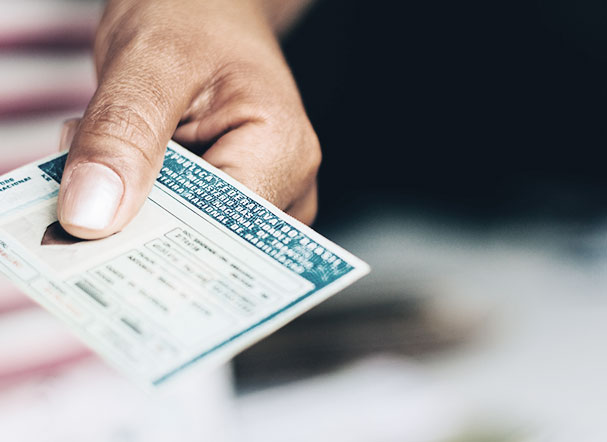
Despite the enactment of Provision No. 73 by the National Justice Council (CNJ) in 2018, which regulates how transgender people can legally change their names, the process is still excessively bureaucratic and transgender people often receive unreasonable demands from notary public offices that thre

Legislation interferes and even encourages differentiation between genders by allowing classification of female products as non-essential and increasing the tax burden on them. Sanitary pads, makeup and razor blades are examples of this type of discrimination.
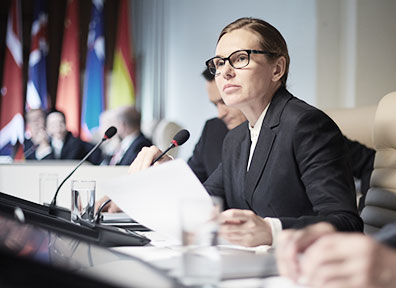
Caroline Valois, Maria Cecilia Santos, Natalia Fava de Almeida, Fernanda Quiroga and Patricia Brasil Massmann.

The authors discuss possible ways to fight the problem, such as encouraging individuals and institutions to exercise self-questioning, awareness, and dialogue as a routine.

In view of diverse legislative and regulatory changes published by governments in response to the COVID-19 crisis, we have teamed up with 11 law firms in Latin America and the Iberian Peninsula to prepare a table summing up the relevant changes that have occurred in Brazil, Spain, Portugal, Argentina, Bolivia, Chile, Colombia, Costa Rica, Ecuador, El Salvador, Guatemala, Honduras, Mexico, Nicaragua, Panama, Paraguay, Peru, Uruguay and Venezuela.

As a legal advisory firm with a strong presence in the business area, we have been able to perceive with great sensitivity the moments of change in investors' mood towards Brazil's economy. The most recent one, no doubt, started in the second half of 2019 and has been intensifying in the beginning of this year, driven by an atmosphere of more optimism and confidence in Brazil.
Page 2 of 2