Publications

Law No. 13,848/19, enacted in June, established the new framework for regulatory agencies in Brazil. Originating from Bill No. 52/13, the text signed into law differs very little from what was initially approved by the Senate, in spite of a few presidential vetoes and specific changes introduced by congressmen.

Federal Decree No. 9,760, published in April of this year, amends certain provisions of Federal Decree No. 6,514/08, which deals with environmental infractions and sanctions and establishes the federal administrative procedure to investigate them.

The financing of infrastructure projects in Brazil has been undergoing important changes in recent years, caused, among other factors, by redefinition of the role of the National Bank for Economic and Social Development (BNDES) in this type of transaction.

With technological advances, work done at home offices or locations other than the place of business, has multiplied, which has reinforced the importance of adopting legal guidelines and measures to give greater predictability and security to parties involved in this type of working relationship.
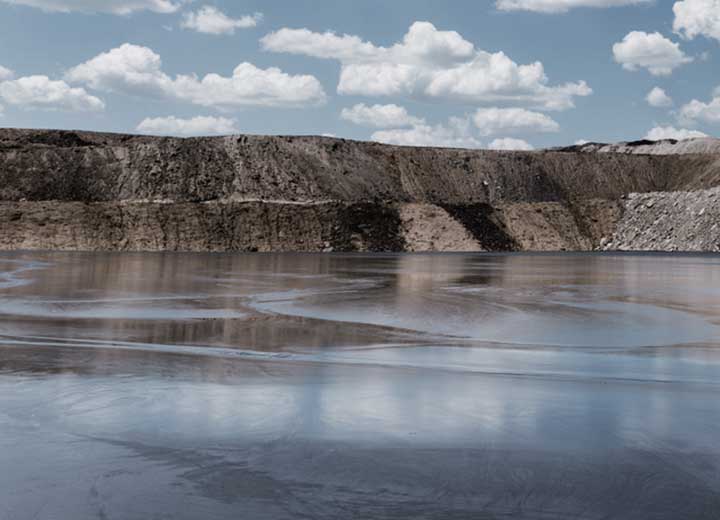
In response to the rupture of the Brumadinho dam (MG) on January 25th of this year, changes under study and already approved in the legislation aim to tighten the regulations of dams in Brazil. On June 25th, for example, the Chamber of Deputies approved three bills providing for specific regulations on environmental disasters caused by dams.

Trade union dues were created in the 1940s in order to strengthen the trade union movement. This was a mandatory amount due from the worker to the professional trade union of his category, even if he were not affiliated to it, and corresponded to the remuneration of a normal work day.
Page 178 of 241