Infrastructure and energy
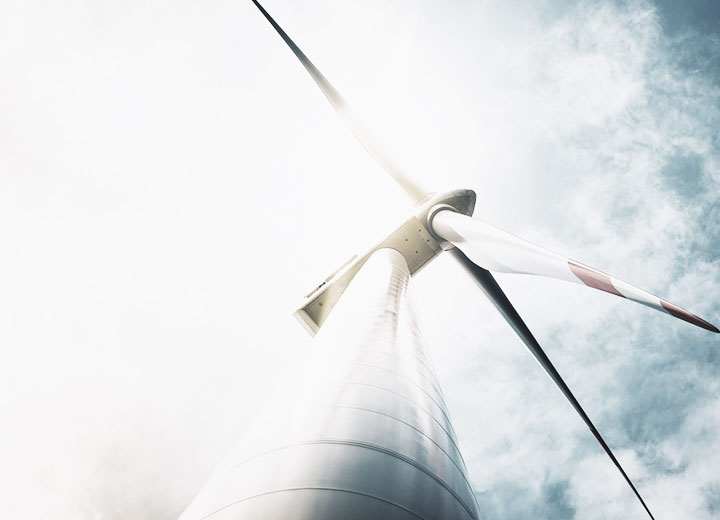
Aneel, the Brazilian electricity regulatory agency, simplifies the system for obtaining grants for power plants using wind, photovoltaic, thermoelectric, and other alternative power sources. New resolutions reduce legal and regulatory uncertainty in the power sector.
New regulations issued by the Ministry of Mines and Energy helped bring about more diversified sources of funding for the sector, allowing for consistent growth in the issuance of debentures since September of 2019.

Our attorneys review the main topics and innovations brought about by ANP Resolution No. 817/2020, which consolidates rules on the abandonment of fields and the decommissioning of oil and natural gas exploration and production facilities.

Legislative changes under discussion are aimed at combating the short-term economic effects of the pandemic and tackling the lack of investments in infrastructure, which tends to increase during the post-crisis period.

Anvisa has published four resolutions to enable access to important products in the fight against the covid-19 pandemic, such as medicines, sanitizers, equipment, and medical devices.

The state of public calamity in Brazil has loosened State financial controls. The measure may help to reduce the economic impacts of the covid-19 pandemic, but it ends up exposing the national budget of Brazil to the default risk.

The goal is to streamline and simplify various procedures to accelerate the raising of funds from multilateral organizations to finance projects related to combating the covid-19 pandemic. States and municipalities, public banks, and development agencies are the primary beneficiaries.
With executive orders 949 and 950, the Brazilian government transfers 900 million Brazilian Reais to electric companies in order to offset the discounts granted to low-income consumers and establishes emergency solutions for the sector.

Standstill agreement applies to all of BNDES’s direct and indirect financing instruments. The suspension is valid for six months in order to mitigate the impacts of the current covid-19 crisis for borrowing companies.

Resolution No. 806/2020 of the ANP (National Agency of Petroleum, Natural Gas and Biofuels) establishes new procedures for the control and reduction of flaring and losses of oil and natural gas in exploration and production (E&P) activities.

Approximately 20 years after the first federal and state programs for highway concessions for the private sector, the concession agreements then entered into between the public administration and the operators of these sections will soon expire and there is much expectation regarding what measures will be taken in relation to them.

The future of distributed generation: proposed revision of system rules goes for public consultation
Distributed generation (DG) allows consumers to generate their own electricity from renewable sources or qualified cogeneration and, where possible, provide the surplus to their own local distribution grid. The system has two modes: distributed microgeneration (with installed power less than or equal to 75 kW) and distributed mini-generation (with installed power greater than 75 kW and less than or equal to 5 MW) of electricity. With the possibility of new regulations for DG, the innovations expected may combine financial economy, social and environmental awareness, and self-sustainability.
Page 7 of 13