Infrastructure and energy

The executive order brings in improvements that will modernize the electricity sector and strengthen the free market for energy marketing and sale {commercialization}.

The COVID-19 pandemic has made companies accelerate the implementation of sustainable practices. Organizations that conduct their business based on values and purpose, respecting their workforce and the environment, will take the lead in resuming economic activities.
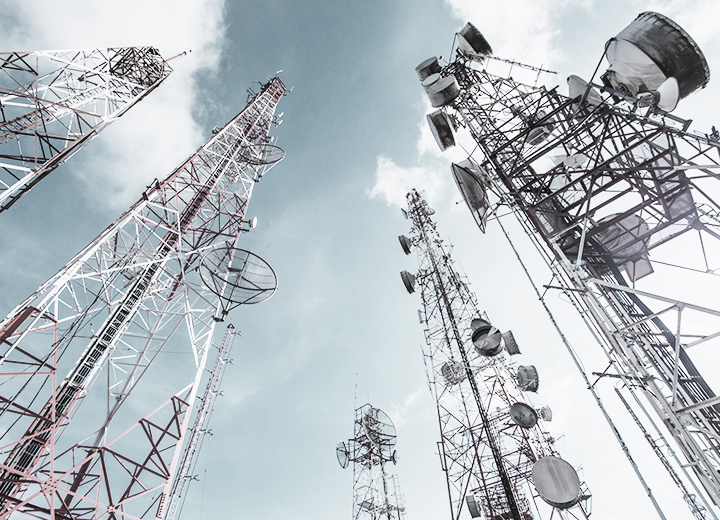
The measure is expected to attract at least R$1 billion for expanding the telecommunications infrastructure through debentures over the next two years.

Covid-19 measures to be followed by travelers, airlines, airport terminals, service providers, and companies operating in airports will be open for discussion until September 9.

In total, 11 lots will be traded in nine Brazilian states, with investments of R$7.4 billion forecasted. See the rules.

Bill for conversion into law has brought about significant changes and improvements for the legal framework of the port sector, with the potential to resolve old impasses and dynamize the operation of public ports in Brazil.

See the details of the sanitation concession model structured by the development bank BNDES for the municipalities of Rio de Janeiro. The project is submitted to public consultation until July 8.
The Brazilian Electricity Regulatory Agency has suggested that companies affected by the declining economic activity during the pandemic should negotiate with distributors under an existing rule.

Two new Anac resolutions issued to facilitate the operation of the aviation sector can give decisive financial relief to Brazilian airlines. Click here to learn about the new rules.

Learn about the new health measures released to prevent transmission of the coronavirus inside airplanes and airports.

New ANM resolution and Senate Bill No. 550/19 put pressure on Brazilian mining companies to quickly eliminate dams built using the upstream method and make the National Dam Safety Policy more effective.
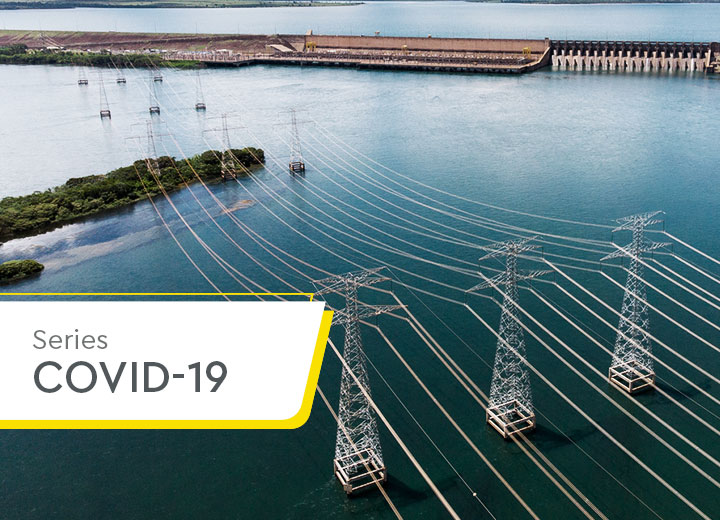
The measure aims to preserve the flow of payments through the chain of the electricity industry, but distributors will have to accept conditions considered controversial to have access to the aid. Total cost of the assistance will be paid by consumers, even if they migrate to the free market.
Page 6 of 13